“Girls who smell like horses don’t belong on New York stages.”
Savannah Whitlock whispered it close enough for me to smell the mint on her breath.
Her diamond-studded warm-up jacket glittered under the backstage lights.
Her city friends laughed behind her.
And in her hand was my old leather riding crop.
The one my grandfather gave me when I learned to train horses that threw grown men into the dirt.
Savannah lifted it like it was a joke.
“Maybe this is how they teach ballet in barns.”
Then she swung it at me.
Fast.
Not hard enough to break bone.
Hard enough to humiliate.
Hard enough to make the whole room understand she thought I was beneath her.
I caught it midair.
Bare-handed.
The laughter died.
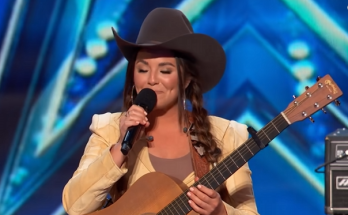
My name is Daisy Cole.
I was born on a ranch outside a Texas town so small the post office knew everybody’s dog by name.
I learned to ride before I learned fractions.
I learned to fall before I learned to dance.
My first teacher was not a ballet master.
It was a wild mare named Juniper who hated sudden movements, weak hands, and liars.
She taught me balance.
Not the pretty kind.
The survival kind.
The kind where one wrong shift sends you into dirt.
Every morning before school, I carried feed buckets, cleaned stalls, stacked hay, and rode the east fence line with my father.
By the time other girls were learning how to pose for dance photos, I was learning how to calm a twelve-hundred-pound animal with my breath.
That changes a body.
My legs got strong.
My back got stronger.
My hands became callused.
My shoulders widened.
My jumps had power because I had spent years pushing off uneven ground, climbing fences, and landing from saddle vaults.
When I discovered ballet, people didn’t know what to do with me.
I wasn’t soft enough.
Wasn’t polished enough.
Wasn’t delicate enough.
One teacher said:
“She has talent, but she moves like a horse is still under her.”
My grandfather heard that and laughed.
“Good,” he said. “Horses know more about grace than most people.”
So I kept dancing.
In the stable aisle when rain flooded the yard.
In the hayloft when the house was too crowded.
In the pasture when the sunset turned everything orange and wild.
I trained jumps by vaulting onto hay bales.
I trained turns on packed dirt.
I trained core by riding bareback without reins.
I didn’t know it then, but the ranch was building a dancer no academy could manufacture.
My local coach, Miss June, saw it first.
She had once danced professionally before bad knees brought her home.
She watched me leap over a feed sack one afternoon and said:
“Daisy, that wasn’t a jump. That was an argument with gravity.”
I grinned.
“Did I win?”
“For now.”
She entered me into the New York Modern Ballet Athletic Showcase.
I laughed when she told me.
“New York?”
“Yes.”
“Miss June, I have hay in my hair half the time.”
“Then wash it.”
I thought she was joking.
She wasn’t.
The showcase was famous for blending ballet, strength, contemporary movement, and athletic technique.
Top judges came.
Brand scouts came.
Company directors came.
And that year, a global sports-ballet brand called Axis Motion was searching for its new ambassador.
Everyone expected Savannah Whitlock to win.
Of course they did.
Savannah was already a social media darling.
She lived in a glass apartment overlooking Central Park.
Her mother chaired a luxury wellness foundation.
Her private coach had trained Olympic gymnasts and celebrity dancers.
She had sponsorships before she had discipline.
Her photos looked expensive.
Her smile looked rehearsed.
Her talent was real, but so was her entitlement.
The first time she saw me, I was carrying my costume bag through the theater’s service entrance because the main lobby confused me.
She looked at my boots.
Then at my hands.
Then at the bit of straw stuck to my duffel.
And smiled.
Not kindly.
“You’re Daisy Cole?”
“Yes.”
“The ranch girl?”
I nodded.
She tilted her head.
“That’s adorable.”
I had learned long ago that adorable usually meant someone was sharpening a knife behind their teeth.
During warm-up, Savannah watched me practice my center jump sequence.
Her coach watched too.
I could feel the room shifting.
My body did not move like theirs.
When I dropped low, I dropped with weight.
When I leapt, I drove from the ground like the floor owed me height.
When I turned, my core locked the way it did when a horse changed direction beneath me.
Some dancers floated.
I launched.
Savannah did not like that.
Her own jump was pretty.
Mine was dangerous.
After rehearsal, she walked over with two girls behind her.
“So, Daisy,” she said, “do you clean the horses before or after pretending to be a ballerina?”
One girl snorted.
I zipped my bag.
“Before sunrise.”
Savannah blinked.
She had expected embarrassment.
I gave her information.
She smiled tighter.
“That explains the smell.”
I looked at her.
“It’s hay.”
“Sure.”
Then she said it loud enough for half the dressing room to hear:
“Cow-dung girl.”
Some laughed.
Some looked away.
That always tells you who people are.
Laughing is cruelty.
Looking away is cowardice.
The showcase final was the next night.
I called home from the hotel bathroom because it was the quietest place.
Grandpa answered.
“You nervous?”
“No.”
“Liar.”
I smiled.
“A little.”
“What did the city girls say?”
I hesitated.
“Nothing important.”
He was quiet for a second.
Then said:
“Daisy, don’t let polished people convince you dirt is shame. Dirt grows things.”
I swallowed hard.
“Yes, sir.”
“And if they test your hands?”
I looked down at my calluses.
“They’ll learn.”
He chuckled.
“That’s my girl.”
The next day, backstage felt like a storm trapped indoors.
Dancers stretched.
Mothers whispered.
Coaches paced.
Brand scouts moved through the hall with tablets.
Savannah wore a sleek white athletic-ballet costume that looked like it came from a futuristic magazine cover.
Mine was simpler.
Deep brown and gold.
Miss June said it looked like sunset on saddle leather.
I loved it.
Savannah did not.
She stepped behind me while I adjusted my braid.
“Trying to look rustic?”
I ignored her.
She leaned closer.
“You know Axis Motion doesn’t need a mascot. They need a face.”
I turned.
“Then use yours.”
Her smile vanished.
Fast.
A stage assistant called her group for lineup.
She walked away.
I thought that was the end.
It wasn’t.
Five minutes before my performance, I reached for my water bottle and noticed my gear bag was open.
My old riding crop was gone.
It wasn’t part of my costume.
It wasn’t even needed.
But I carried it because it reminded me of home.
Of Grandpa.
Of Juniper.
Of every morning I had chosen work before applause.
Then I heard laughter near the prop rack.
Savannah stood there holding it.
A few dancers circled her.
She flicked the crop lightly against her palm.
“Look what I found. Cow-dung girl brought farm equipment.”
I stepped forward.
“Give it back.”
She lifted it.
“Relax. I just want to understand your training method.”
“Savannah.”
She moved closer.
“Do you do pliés between manure piles?”
The girls laughed.
Then Savannah whispered:
“Girls who smell like horses don’t belong on New York stages.”
She swung the crop toward my arm.
I didn’t think.
My body moved before my mind did.
Years of catching reins.
Stopping a spooked horse.
Blocking branches on trail rides.
Grabbing a lead rope before a colt bolted.
My hand snapped up.
I caught the crop.
The leather stung my palm.
But I held it.
The room froze.
Savannah pulled once.
I didn’t let go.
Her face changed.
“You’re hurting me.”
I almost laughed.
She had swung at me and still wanted to be the victim.
I twisted the crop out of her hand with one clean motion and dropped it on the floor between us.
“No,” I said. “I stopped you.”
The stage manager appeared.
“Daisy Cole. You’re up.”
Savannah’s face flushed red.
She stepped close and hissed:
“Go ahead. Show them your little farm tricks.”
I picked up the riding crop and handed it to a backstage assistant.
“Please keep this safe.”
Then I walked toward the stage.
My palm burned.
My heart hammered.
The curtain opened.
The New York stage was nothing like the ranch.
No hay.
No dust.
No horses breathing in the dark.
Just black floor, white light, and a room full of people waiting to decide what I was worth.
For one second, I wanted the stable.
Then I remembered Juniper.
The first time she let me ride without a saddle, Grandpa had said:
“Do not grip from fear. Balance from trust.”
So I trusted the floor.
The music began low.
A drum.
A string.
A pulse like hooves hitting packed earth.
My first movement was stillness.
Then a breath.
Then a deep plié, lower than most ballet teachers would allow, grounded and fierce.
I rose through my spine.
One arm curved like a rein.
One leg cut through the air.
Then I jumped.
The theater gasped.
Not because it was flashy.
Because it was higher than expected.
Cleaner than expected.
I landed without sound.
That was the ranch.
Years of landing in dirt had taught my ankles to negotiate with gravity.
The second phrase moved faster.
Turns that snapped and opened.
A floor sweep that looked almost like falling, then became a launch.
My arms were not delicate.
They were free.
Not sloppy.
Not wild without control.
Wild like a horse that chooses to run because the gate is open.
Then came the part everyone said was too risky.
The aerial ballet flip.
Not gymnastics thrown into dance for applause.
A full-body phrase built from a grand jeté, tucked rotation, and controlled landing into arabesque.
Miss June made me practice it for months.
On mats.
On grass.
On stage.
Again and again until it became movement, not stunt.
Savannah’s coach had called it “vulgar athleticism.”
Miss June called it:
“Your signature.”
I crossed the stage.
Step.
Step.
Breath.
Launch.
For one moment, I was above everything.
The judges.
The city.
The insult.
The crop.
The girl who thought calluses meant I was less refined.
I rotated through the air, opened at the exact count, and landed on one foot with my arms wide.
Silent.
The audience exploded before the music ended.
But I kept dancing.
Because applause is not the finish.
I moved into the final sequence.
A fast turn series powered by core strength.
A drop to one knee.
A rise without hands.
A final leap shaped like breaking through a fence.
Then stillness.
Chest lifted.
Eyes forward.
Not asking permission.
The theater roared.
The judges stood.
Three of them immediately.
Then the whole panel.
In the front row, the Axis Motion director was on his feet, clapping with both hands above his head.
Backstage, Savannah was not clapping.
She was watching the security monitor.
The camera had caught everything.
Her holding my crop.
Her mocking me.
Her swinging it.
Me catching it.
The stage assistant had already reported it.
By the time I returned to the wings, the showcase director was waiting.
“Daisy, are you hurt?”
I looked at my palm.
A red mark, nothing more.
“I’m fine.”
Savannah snapped:
“She grabbed me.”
The assistant stepped forward.
“No. You swung at her.”
Savannah turned on her.
“You’re nobody.”
Bad move.
The room went cold.
The showcase director looked at Savannah.
“This event is over for you.”
Her mouth opened.
“What?”
“You attempted to strike another performer with equipment backstage. You are disqualified pending review.”
Savannah’s mother arrived like a hurricane in pearls.
“This is ridiculous. My daughter was joking.”
The director pointed to the monitor.
“The camera disagrees.”
The footage played.
No music.
No spin.
No publicist.
Just Savannah being exactly who she was when she thought no one important was watching.
Her mother went pale.
Not because her daughter had been cruel.
Because the right people had seen it.
The fallout came fast.
Savannah was disqualified from the showcase.
Her brand conversations disappeared overnight.
The video leaked after someone from her own circle posted it trying to claim she was “defending herself.”
That backfired spectacularly.
The internet named her Whip Girl.
Harsh?
Maybe.
Accurate?
Also maybe.
Clips of my performance spread even faster.
People called it ranch ballet.
Wild ballet.
Athletic ballet.
Horse-girl ballet.
Some comments were mocking.
Most were amazed.
But the one that mattered came from Axis Motion.
Their director, Marcus Vale, asked to meet me after the awards.
He was tall, calm, and looked at dancers like he was reading movement instead of bodies.
He shook my callused hand without flinching.
“Daisy,” he said, “we built a brand around the idea that strength is beautiful. Tonight, you made that sentence real.”
I didn’t know what to say.
He smiled.
“We want you as our global ambassador.”
I laughed.
I actually laughed.
“Sir, I live on a ranch.”
“Good.”
“I don’t have a manager.”
“We’ll provide legal support.”
“I still have school.”
“We’ll work around it.”
“My grandfather will read every contract.”
“He should.”
That was the first time a powerful person did not ask me to become less of where I came from.
The official announcement came two weeks later.
Axis Motion introduced me as the face of its new campaign:
Untamed Grace
The campaign photos were shot in two places.
A modern New York studio.
And my ranch stable.
I insisted on both.
In one photo, I wore performance gear and stood beside Juniper, my hand on her neck, both of us looking like we might run if anyone got too close with nonsense.
In another, I leapt across the stable aisle, hay dust glowing in sunrise.
The cover line read:
Daisy Cole: Strength Has a Wild Heart
Grandpa bought ten copies.
Then said it was silly.
Then mailed them to everyone he knew.
Savannah tried to recover her reputation.
She posted an apology video.
It began with:
“I’m sorry if my actions were misunderstood.”
The comments destroyed it.
So she posted another.
This time, she said:
“I mocked Daisy because I believed refinement belonged to people like me. I was wrong.”
That one sounded closer to truth.
I didn’t respond publicly.
I had work to do.
The showcase win brought invitations.
Training programs.
Interviews.
Performance contracts.
But Miss June kept me grounded.
Literally.
She made me come home between trips and muck stalls.
“You can be a global ambassador after you feed the horses,” she said.
Fame did not excuse chores.
Honestly, I was grateful.
New York applause was loud.
Horses were honest.
If I walked into the stable acting important, Juniper pinned her ears and reminded me that ego smells worse than manure.
The ranch became part of the movement.
Axis Motion funded a rural dance-athletics program.
Not a shiny charity stunt.
A real training space.
Sprung floor inside the old feed barn.
Strength equipment.
Scholarship gear.
Transportation funds for kids from remote towns.
Miss June directed it.
Grandpa supervised construction like he was preparing for war.
We named it Wild Grace Ranch Arts Center.
The first class had twelve kids.
Some dancers.
Some riders.
Some both.
Some children who had been told they were too rough, too strong, too poor, too country, too different.
I told them the first day:
“Do not let anyone sand you down just because they only recognize polished things.”
A little boy raised his hand.
“Can boys do ballet flips?”
“Yes.”
A girl in muddy boots asked:
“Can I dance if I don’t want to look pretty?”
I smiled.
“You can dance to look powerful, angry, joyful, strange, free, or anything true.”
She nodded like she had just been handed a key.
That was the real victory.
Not Savannah becoming a joke.
Not the ambassador contract.
Not even the New York standing ovation.
The victory was building a stage where ranch kids did not have to scrub away their lives before being called artists.
Years later, people still asked about the whip.
They wanted the dramatic part.
The spoiled socialite.
The insult.
The bare-handed catch.
The flip.
The brand deal.
But I always remembered something else.
My grandfather’s words:
“Dirt grows things.”
He was right.
The dust of that ranch grew my legs.
The horses grew my balance.
The hay bales grew my jumps.
The chores grew my discipline.
The small town grew my hunger.
And every person who called me dirty only proved they had never understood the ground.
Savannah eventually left the public dance circuit.
I heard she studied arts administration later.
Maybe she changed.
Maybe not.
People can.
But only if they stop treating apologies like reputation repair and start treating them like excavation.
As for me, I kept dancing.
On city stages.
In campaign films.
At rural clinics.
In theaters where nobody expected a girl with callused hands to move like that.
Before every performance, I still touched the floor.
Not for luck.
For memory.
Stable floor.
Dirt yard.
New York stage.
All floors ask the same question:
Can you stand here honestly?
My answer is always yes.
Money can buy private coaches.
It can buy designer warmups, luxury studios, and perfect city polish.
But it cannot buy wild balance.
It cannot buy earned strength.
And it cannot defeat a ranch girl who learned from horses that freedom is not delicate—it is powerful enough to shake the whole stage. 💔✨
So choose a side:
Stand with Daisy Cole, the small-town ranch girl who turned calluses, dirt, and discipline into a new kind of athletic ballet…
Or defend Savannah Whitlock, the spoiled city socialite who tried to whip a dancer and became the joke of the stage she thought she owned.
Share this if you believe beauty is not always polished—sometimes it comes running out of a stable, wild and unstoppable. 👇🚨